 Mosaic Mental Healthand WellnessBook an appointment
Online vs. In-Person Psychiatrist Appointments: Which Option Works Best for You?
Trying to choose between an online psychiatrist and in-person psychiatry? Compare effectiveness, cost, wait times, and when each option works best before booking your appointment.
Many patients compare online psychiatrists vs. in-person care before scheduling their first psychiatry appointment. Online psychiatrist appointments and in-person psychiatry are both effective for most outpatient mental health conditions. Online care offers flexibility and faster access, while in-person visits are preferred for complex or crisis cases.
When you choose to get help for your mental well-being, a fresh concern often follows. After deciding to connect with a professional, one key choice emerges: meet someone online or go to a clinic face-to-face?
Quick comparison of online psychiatry and in-person psychiatric appointments
Here's something clear: these two paths actually do lead somewhere. What matters more than that is figuring out which fits your situation more naturally today. In this article, we break down the key differences so you can make a confident choice and get the care you deserve.
Why Access to Psychiatric Care Is Still a Real Problem
Before comparing formats, it is best to comprehend why access to care is a real crisis in the US. As of December 2024, more than 122 million people in the United States live in a Mental Health Professional Shortage Area, meaning their region has a shortage of qualified providers as required.
According to the HRSA Behavioral Health Workforce Report, in 2022, approximately 59 million U.S. adults (23% of all U.S. adults) had a mental illness, and nearly half of them did not receive treatment.
Partly, that gap is what online psychiatry was designed to bridge. When you enter a query such as "mental health services near me" and get no results, telehealth can be the difference between access and lack of care.
What Are Your Options? Online Psychiatry vs. In-Person Psychiatry
What Is Online Psychiatry?
Starting, online psychiatry goes by another name: telehealth psychiatry. This setup involves talking to a trained psychiatrist using a private video or phone link. Instead of heading to a clinic, everything happens in the comfort of your own space - home, workplace, or wherever suits you best.
Online psychiatric services offer flexible and convenient care
Lately, more people are turning to this kind of support - and it's clear why. Being somewhere comfortable makes it simpler to share thoughts, maybe even easier than expected. For those dealing with stress, low mood, attention issues, or similar struggles, talking from home or behind a screen often fits best. Physical checkups aren't needed here, which helps keep things straightforward. But in over social so many myths about telehealth psychiatry.
What Is In-Person Psychiatry?
In-person psychiatry may be preferred for patients requiring close monitoring.
Showing up at a clinic or hospital usually means sitting across from your psychiatrist in person. Talking like this works best when someone wants real face-to-face contact, needs a check of how they look or act, or faces tough or ongoing mental struggles.
Looking up a psychiatrist nearby - maybe even someone who sees adults in person, can make a real difference when support is close and real.
Is Online Psychiatry Effective? What the Research Says
Yes. Studies always indicate that online psychiatry provides the same level of outcome as face-to-face treatment, especially in depression and anxiety.
Here's what the evidence says:
77 Studies Reviewed (2024) In a systematic review of npj Digital Medicine, "the clinical outcome differences between telehealth and face-to-face services were found to be generally small and not clinically significant." Missed visits and medication adherence were also better among telehealth patients.
PTSD, Mood & Anxiety Disorders A meta-analysis in JMIR Mental Health compared telehealth to in-person on four main measures, including the efficacy of treatment, patient satisfaction, working alliance, and dropout rates. Findings: Both formats were clinically equal.
Rural Communities (1,514 Patients) In a multi-site study of 95 communities in BMC Psychiatry, there was no significant difference in the improvement of depression and anxiety in telehealth and face-to-face patients, the results did not show much difference in improvement.
Online psychiatry is as effective as sitting in a clinic for most adults who require outpatient psychiatric services.
Benefits of Online Mental Health Care
What people often ask shows up a lot: Does online psychiatry really work? Turns out, it does - science has it covered.
When it comes to mental health support, research finds online therapy often matches results from office visits - for issues like anxiety, depression, or handling prescriptions. One key advantage stands out: access from home improves convenience. Another point worth noting: flexibility in scheduling helps people fit care into busy lives.
How an Online Psychiatrist Provides Care
- No travel needed, you can attend your session from any private space
- Easier to fit into a busy schedule or a demanding work life
- Ideal for patients in rural areas or those with limited mobility
- Comfort grows when clinics feel less like exams and more like space to breathe. Anxiety softens in settings shaped by calm rather than procedure
- Same licensed psychiatrists, same quality of care, just through a screen
Maybe searching for mental health help online led you here. Reaching out fast matters when it comes to your well-being. This option fits if you're looking for speed without sacrificing care.
When In-Person Psychiatric Appointments Make More Sense
Facing a choice between virtual and in-person care? It depends on the moment. Sometimes showing up makes everything clearer:
- Right now, things feel pretty rough mentally, symptoms are strong, or you're going through a tough period that requires regular check-ins
- This time it's a real evaluation, so a full diagnostic check matters most
- Changing meds means watching how your body reacts. Keeping track of physical health matters now more than ever
- Sometimes talking through things in person just feels right. It's easier to get help when you can see the person who's giving it. Being there, face to face, makes space for real support
In-person psychiatric appointments allow direct clinical interaction
When people search for anxiety care close by, a therapist who sees adults might build trust faster during real talks. Meeting someone familiar as a psychiatrist, also helps conversations flow naturally in their office.
Telehealth (Online) Psychiatrist vs. In-Person: Quick Comparison
| Factor | Online Psychiatry | In-Person Psychiatry |
|---|---|---|
| Convenience | High - attend from anywhere | Needs going to the clinic |
| Suitability | Even if something works well most of the time, picking it for tough situations isn't always the best choice. Sometimes simplicity beats reliability when complexity takes over | Often better for complex or intensive situations |
| Wait Time | Faster options usually available | Longer lines might show up here and there |
| Cost | Usually cheaper, less to spend on operations | Could cost more, yet medical coverage tends to help out |
| Best For | When stress hits hard, this path fits - anxiety, depression, ADHD, check-ins | For fresh assessments or tough cases, another route makes sense |
| Availability | Flexible hours, sometimes same-day | Fixed clinic hours; psychiatrist open now options vary |
| Provider Access | Search statewide for specialists | Limited to local providers |
| Missed Appointments | Lower dropout rate (research supported) | Higher chance of cancellation |
Is Online Psychiatry Cheaper Than In-Person Care?
Online psychiatry isn't always cheaper on the billing side, but the real savings show up everywhere else. The actual session rates for telehealth psychiatry are typically similar to in-person visits, but the indirect savings add up quickly: no commuting costs, no time off work, and no childcare arrangements.
Without insurance, psychiatric care can range from $100 to $500+ per visit depending on session type, provider credentials, and location. With insurance, that gap narrows significantly. Mental health copays typically fall between $10 and $50 per session, and the majority of telehealth visits at major platforms cost patients $30 or less after insurance. If you need more info, book our psychiatrist online appointment.
Comparing Costs: Online vs. In-Person Psychiatry
| Online Psychiatry | In-Person Psychiatry | |
|---|---|---|
| Initial Evaluation | $100, $299 (self-pay) | $300, $500 (self-pay) |
| Follow-Up Sessions | $65, $175 (self-pay) | $100, $300 (self-pay) |
| With Insurance | $10, $50 copay | $10, $50 copay |
| Travel Costs | None | Gas, parking, transit |
| Time Off Work | Usually not needed | Often required |
| Wait Time | Same-day to next-day | Days to weeks |
| Availability | All 50 states, flexible hours | Limited to local providers |
| Best For | Anxiety, depression, ADHD, check-ins | Complex cases, new evaluations, crisis care |
The Mental Health Parity and Addiction Equity Act requires insurance plans to cover mental health services at the same rate as physical health care, so most major plans cover telehealth psychiatry. Some platforms keep costs especially competitive, one well-reviewed service charges $185 for an initial evaluation and just $80 per follow-up.
How to Find the Right Psychiatrist
Pick your setup, online or office visits - but settle on a helper who fits. A couple things might make that easier:
Online psychiatry helps expand mental health services to underserved areas
Start by checking nearby options -
Use terms like mental health services near me, in-person psychiatrist near me, or adult psychiatrist near me to find providers connected to your area or your local hospital system.
Check if anyone's available -
Try looking up psychiatrists who are seeing patients right this minute. Another option: check what your doctor's office can book for today, even if it's last-minute. Slots might pop up when least expected.
Know your needs -
Anxiety search online? Find someone focused on your age group. Clinics split work into adult, teen, and older client paths often. A match close by might depend on their main interest area.
Starting from a simple step -
Booking often happens right in your browser now. Many sites let you reserve care fast, while showing what insurance covers and keeping connections safe through digital visits.
Therapy Apps vs. Online Psychiatry: What's Actually the Difference?
These are not the same:
- Therapy Apps
- Focus on talk therapy
- Often subscription-based
- Limited or no medication support
- Online Psychiatry Services
- Medical diagnosis
- Medication management
- Licensed psychiatrists
Conclusion: Choose psychiatry services if medication or diagnosis is needed.
Frequently Asked Questions About Online and In-Person Psychiatry
Q. Is online therapy just as effective as in-person?
Yes, for most people receiving outpatient mental health care. A large systematic review published in npj Digital Medicine analyzing 77 clinical trials found that telepsychiatry outcomes are comparable to in-person treatment for depression, anxiety, PTSD, and mood disorders.
Exceptions include psychiatric crises, severe instability, or situations requiring a physical exam or close medical monitoring.
Q. Can an online psychiatrist prescribe medication?
Yes, in most states. Licensed psychiatrists practicing via telehealth can evaluate, diagnose, and prescribe medication just as they would in person, including for conditions like ADHD, depression, and anxiety. Some controlled substances have specific rules that vary by state, so it is always worth confirming with your provider.
Q: How fast can you get a psychiatrist appointment?
For in-person appointments, same-day availability can be limited depending on your area. Online psychiatry platforms more commonly offer same-day or next-day psychiatry appointments, making them a faster option when you need care quickly. Some hospitals also have urgent mental health walk-in services, check if your local provider offers this.
Q: What is the difference between a psychiatrist and a therapist?
- Psychiatrist: A medical doctor (MD or DO) who can diagnose mental health conditions, prescribe medication, and manage complex psychiatric cases.
- Therapist: A licensed mental health professional (psychologist, counselor, or social worker) who provides psychotherapy and counseling. Most therapists do not prescribe medication.
Many patients benefit from working with both a psychiatrist (for medication management) and a therapist (for structured therapy).
Q: Does insurance cover telehealth psychiatry?
Most major insurance plans now cover telehealth psychiatric services, especially following the expansion of coverage during and after 2020. Coverage rules vary by plan and state, so contact your insurer directly to confirm your benefits before your first appointment.
Q: How do I know if online psychiatry is right for you?
Online psychiatry is typically appropriate if:
- Access or distance is a barrier
- You have scheduling constraints
- You prefer receiving care from home
- Your condition is stable and outpatient-level
In-person care is more suitable if symptoms are severe, unstable, or require medical observation. When uncertain, contact a clinic and describe your symptoms; they can guide you toward the appropriate level of care.
Q: What conditions can an online psychiatrist treat?
Online psychiatrists commonly treat:
- 01Major depressive disorder
- 01Generalized anxiety disorder
- 01Social anxiety disorder
- 01Panic disorder
- 01ADHD
- 01PTSD
- 01OCD
- 01Insomnia
- 01Stable bipolar disorder
Acute psychosis, severe mania, active suicidal risk, or conditions requiring hospitalization are better managed through in-person or emergency services.
Q: How do I book an in-person psychiatric appointment?
- Schedule directly through a hospital or clinic website
- Call the psychiatry department to book
- Use your insurance provider's "find a doctor" tool
- Request a referral from your primary care physician
If rapid access is needed, telehealth platforms may offer shorter wait times.
Final Thoughts: Which Option Is Right for You?
Truth sits here: one size never fits all. Online mental health support works well for some, while seeing a doctor in person helps others just as much. Start wherever fits best - that's key.
Starting out? Online psychiatric help might fit well when time matters. Still, some find value in sitting across from a therapist - personal connections often matter more for layered issues.
One path leads there too. The other follows a different trail. Either way, taking that first step is what counts.
This article is general information, not medical advice, and reading it does not create a patient relationship. Medication and treatment decisions belong in a visit with your own provider. In an emergency, call or text 988, call 911, or go to the nearest emergency room.
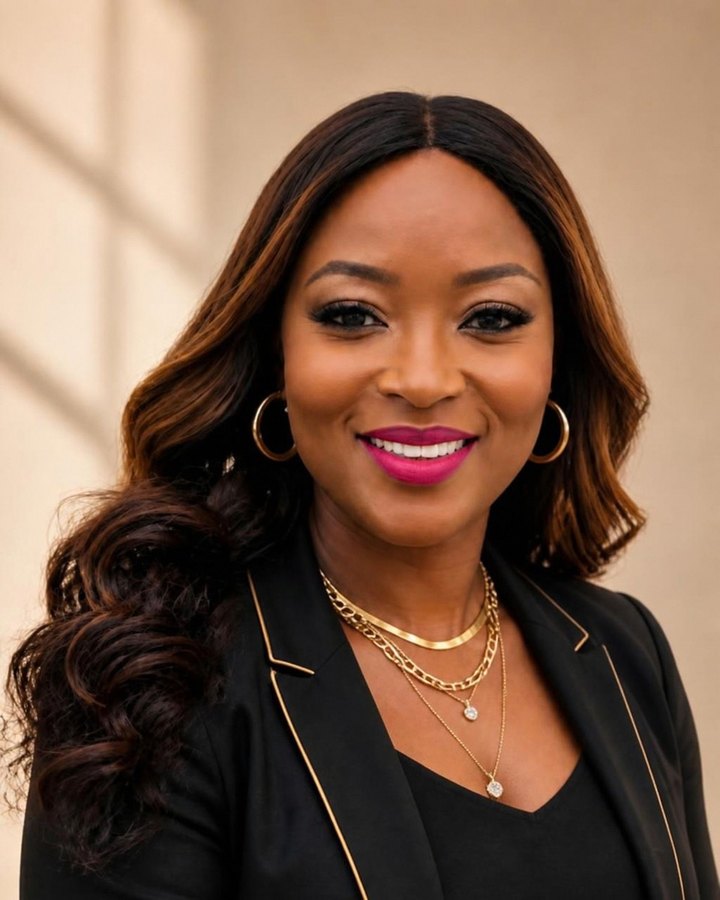
Elizabeth Macshadiya, PMHNP-BC
Elizabeth Macshadiya is a board-certified psychiatric mental health nurse practitioner and the founder of Mosaic Mental Health and Wellness in Katy, Texas. She treats children from age 6, teens and adults, in person and by secure video in seven states.